Trauma-Informed Training & Professional Development for Schools
Trauma-Informed Training helps educators and staff feel equipped to support the emotional and the physical well-being of children. Kids can face many difficult situations that require support from the adults in their lives, and when we get ahead of it we can make a bigger impact.
What is Trauma?
Trauma comes in many forms. Trauma is not just acute incidents of violence or abuse but can also be ongoing situations like poverty, food insecurity, bullying and racism that lead to toxic stress. In a trauma-sensitive school, children, staff and families in need are met with intentional systems, developed specifically to respond to those needs.
As educators, we know trauma arrests development. It literally changes the neural pathways in the brain. Students may struggle with the ability to focus, learn new concepts, emotionally regulate, and build and maintain relationships. And of course, that challenging behavior can lead to staff burnout.
Research shows us that it only takes one trusted, caring adult to mitigate the impact of trauma. The ACE Study by Kaiser Permanente from ‘95-’97 was the first to link health outcomes to adverse childhood experiences (ACE’s), and it showed us that intervention was needed.
As it happens, schools are full of caring adults and are uniquely positioned to be a safe haven for students, but only when our teachers and staff are equipped to handle the challenge.

Identify and assess traumatic stress
How to Become a Trauma-Sensitive School
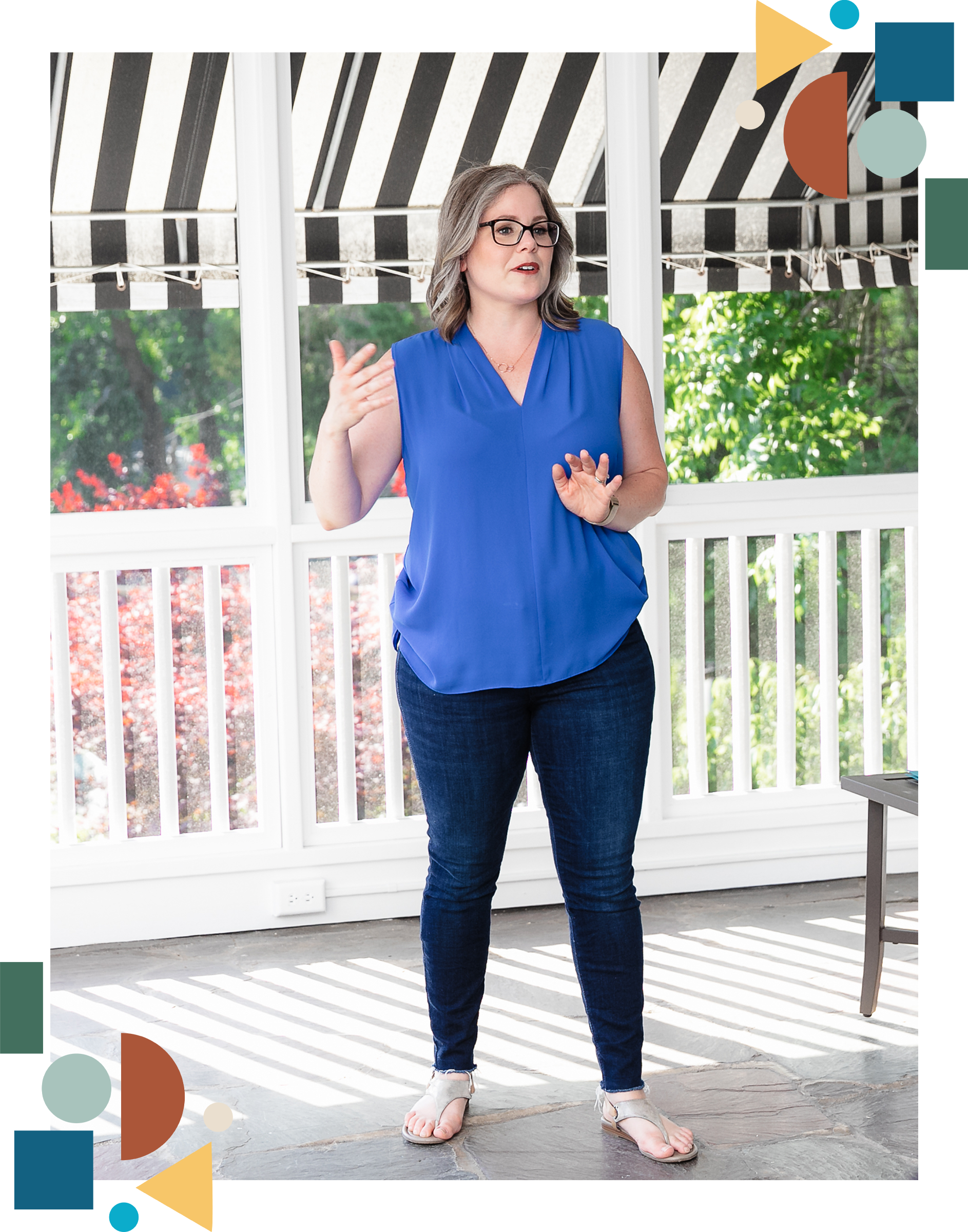
Nina Essel helps schools, districts and childcare programs across New Jersey, New York and Pennsylvania build trauma-sensitive environments by teaching staff to:
Treat the behavioral or physical manifestations of traumatic stress
Communicate with parents around the sensitive topic of trauma
Increase parent and staff awareness and understanding of trauma
Through Nina's approach to fostering resiliency, self-regulation and communication around big feelings, she helps schools prioritize mental health as a pathway for students to feel more open and receptive to learning.
Nina also teaches educators about "universal design," or inclusivity from the beginning. "When you design spaces, classrooms, or environments with trauma in mind, you avoid having to do something 'special' or different for each kid. Universal design and trauma-informed practices prevent kids from being pathologized, labeled, or discarded due to inflexible environments."
Professional Development Services
Before Nina trains anyone, she meets with school leadership to learn what your staff already knows, where you see their growth areas, and what's actually straining your school community right now.
Many schools reach out with a topic already in mind. Others are responding to a specific situation. Either way, the goal is to move your team from cleaning up after behavior to getting ahead of it.

Trauma-Informed Training
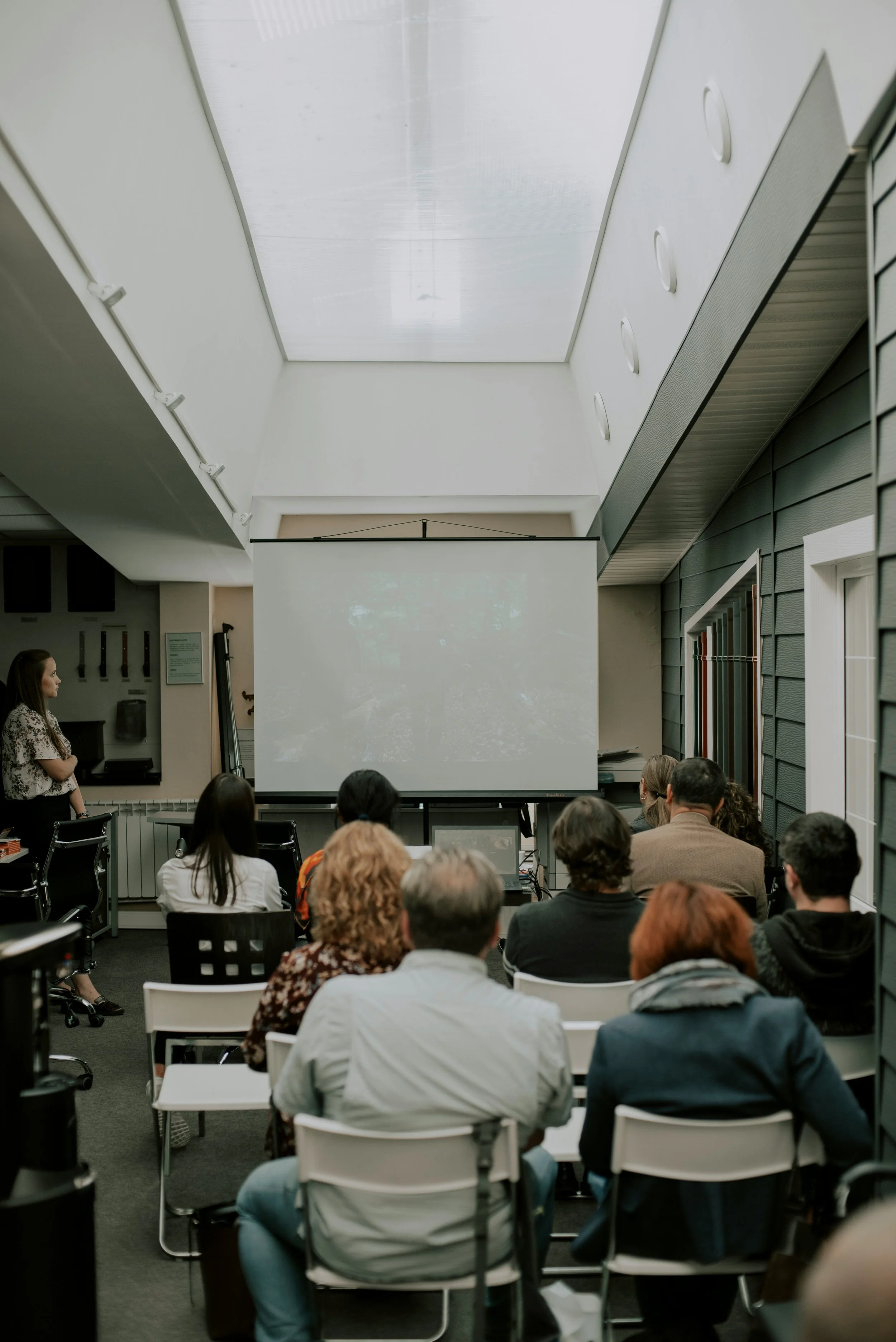
Half-day and full-day professional development for staff working with children from preschool through high school. Every school is required to deliver professional development hours each year. These sessions make those hours count toward the shift your leadership team is actually trying to make: fewer raised voices, teachers who feel equipped in their own classrooms, and stronger relationships between staff and students.
Behavior Intervention Supports & Intervention and Referral Services (I&RS)
Every New Jersey school is required to have an Intervention and Referral Services committee, and every I&RS team faces the same question: what do we actually do for this child?
Nina works alongside your team to build support plans for individual students, set goals, and identify interventions staff can realistically carry out. That can mean reviewing how referrals move through your building, examining the systems behind your tiered supports, or leading a school-wide culture initiative. Available as a half-day or full-day engagement.
Professional Development Coaching Hours
Professional development changes what staff understand. Coaching changes what they do.
Nina works with school leaders who coach their teachers, and with teachers directly, through observation and feedback sessions in real classrooms. This is the difference between understanding a strategy and applying it, and it's what turns a single training day into consistent practice.
The goal is to hand your team systems they can run on their own. Nina builds the structure first, then deliberately fades her support as your staff takes it over.

The Work in Practice